In Congo, health workers fighting Ebola go on strike after months without pay
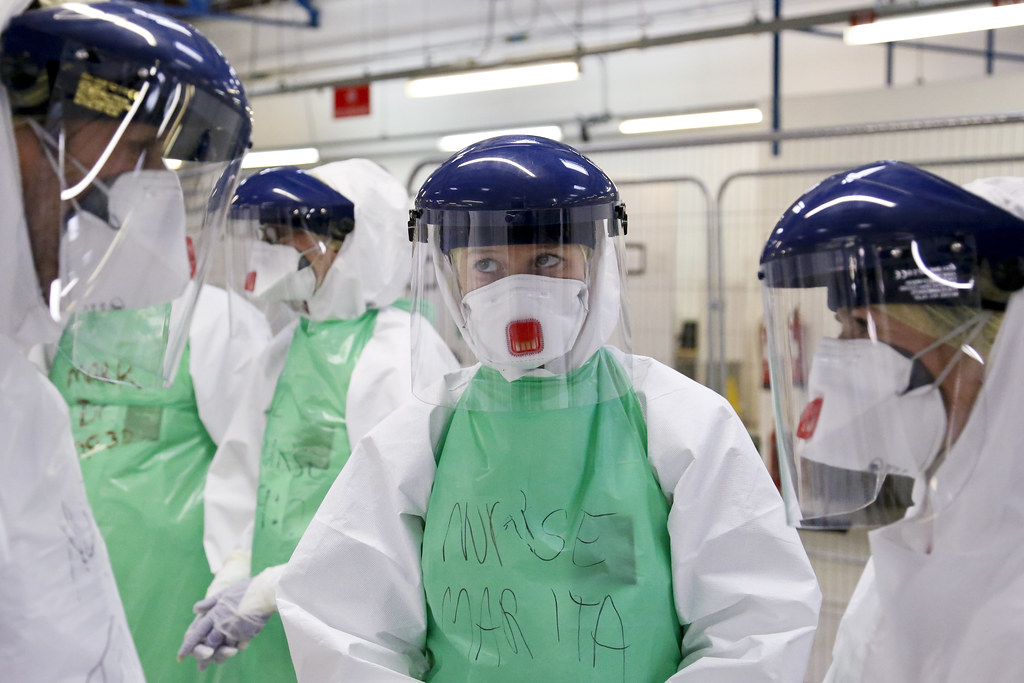
Front-line health workers battling one of the Democratic Republic of Congo's worst-ever Ebola outbreaks have gone on strike, protesting months of unpaid wages and bonuses, officials and workers said this week.
The action is centered in Ituri province, the epicenter of the outbreak in eastern Congo, where doctors, nurses, surveillance teams, security personnel, community outreach workers and burial teams say they have not been paid since the outbreak was declared on May 15. Workers also cited inadequate protective equipment and unfair treatment by authorities. In Bunia, Ituri's capital, a member of the epidemiological surveillance committee said staff have repeatedly demanded payment since the outbreak began, warning that going unpaid leaves them and their families in serious financial hardship.
Some employees staged a protest outside the Rwampara Ebola treatment center, burning tires before police restored order. Officials attributed part of the payment delay to the closure of Bunia's airport, which they said has disrupted the flow of response funding. Congo's health ministry has reported more than 1,700 cases and roughly 580 deaths, with health authorities describing the outbreak's first month as the worst on record. The World Health Organization's representative in Congo said this week that the virus continues to spread faster than the response can contain it, and that some treatment centers are nearing capacity.
The strike coincides with the start of clinical trials for two experimental treatments, as no licensed vaccine or therapy exists for the Bundibugyo strain of Ebola responsible for the outbreak.
Eastern Congo has for decades been gripped by conflict involving dozens of armed groups competing over land, ethnic grievances and access to the region's mineral resources. The instability, including recent clashes involving the M23 rebel group, has repeatedly displaced communities and disrupted health services, complicating efforts to track and contain disease outbreaks such as Ebola. Humanitarian and health responders have often faced insecurity, mistrust and logistical obstacles in reaching affected populations.
Source: The Washington Post


