New Primate Species Discovered in Eastern Democratic Republic of Congo Highlights Biodiversity Gaps
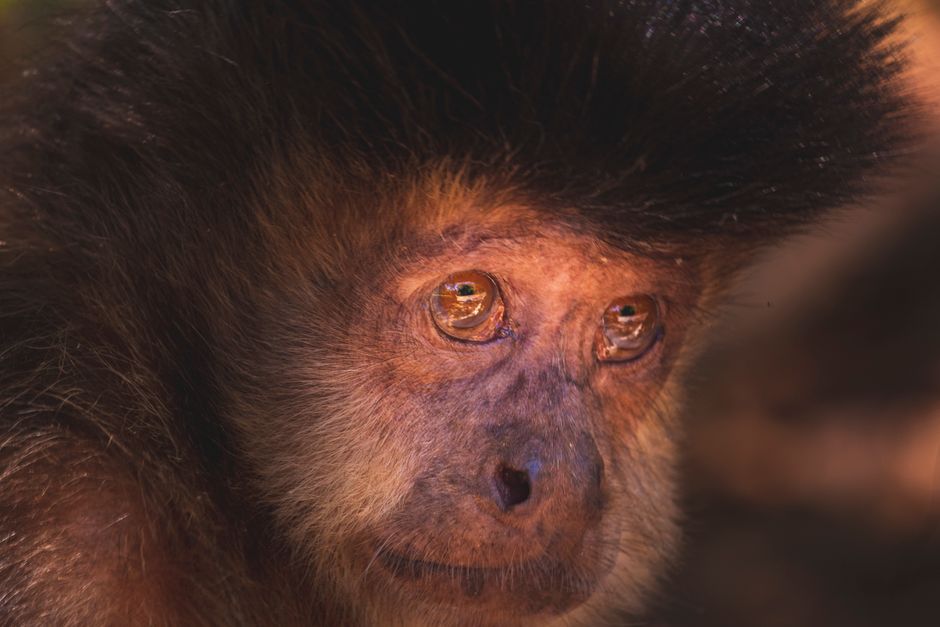
Scientists from the University of Kinshasa, in collaboration with international researchers, announced the identification of a previously unknown monkey species in the Ituri forest of eastern Democratic Republic of Congo. The primate, provisionally named *Cercopithecus ituriensis*, was documented during a biodiversity survey conducted between March and June 2024. Researchers captured high‑resolution photographs and collected genetic samples from three individuals, confirming that the animals differ significantly from known guenon species in both morphology and DNA. The discovery was published in the peer‑reviewed journal *Primates* and underscores the region’s status as a hotspot for undiscovered wildlife.
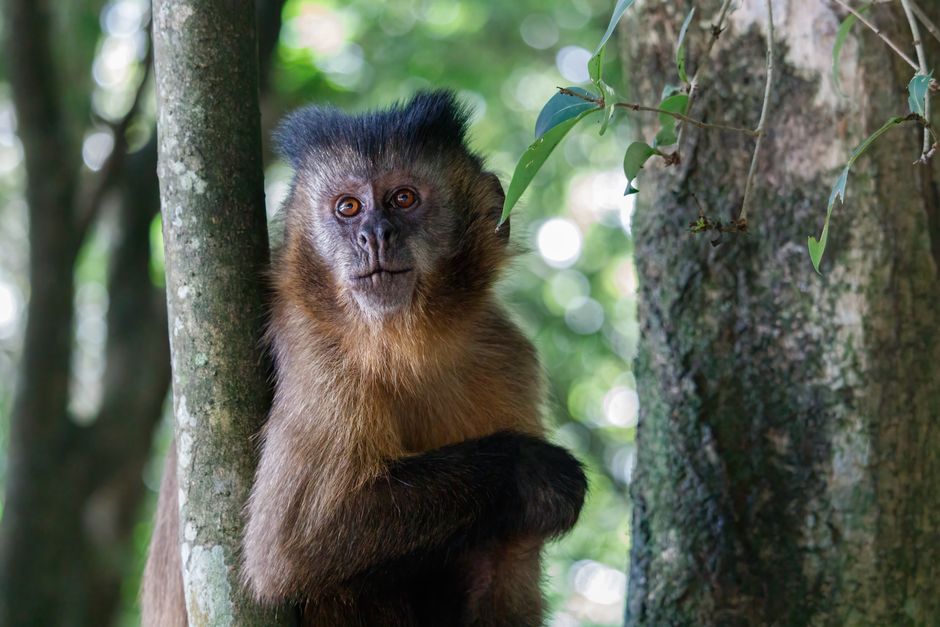
The Ituri forest, spanning roughly 63,000 square kilometres, is one of Africa’s largest remaining blocks of tropical rainforest and has long been recognized for its rich assemblage of mammals, birds, and insects. However, decades of armed conflict, illegal logging, and mining have hampered scientific access, leaving many areas insufficiently surveyed. The new species was found in a remote sector near the village of Mahagi, where researchers noted a distinct vocal repertoire and a unique facial coloration pattern—dark facial hair surrounding bright orange eyes—that set it apart from the closely related red‑tailed monkey (*Cercopithecus ascanius*). Genetic analysis revealed a divergence of approximately 4.2 percent in mitochondrial DNA, a level typically used to delineate separate species within the genus.
The discovery occurs against the backdrop of a protracted conflict in eastern DR Congo, where armed groups and government forces have vied for control over mineral‑rich territories for more than two decades. Violence has displaced millions and disrupted conservation efforts, while illegal exploitation of natural resources has degraded habitats. Despite intermittent ceasefires, the region remains volatile, limiting the ability of scientists and NGOs to conduct long‑term fieldwork. Nonetheless, the Ituri forest retains pockets of relatively intact ecosystems, making it a critical refuge for endemic species and a focal point for international conservation initiatives.
Conservationists say the identification of *Cercopithecus ituriensis* could bolster arguments for expanding protected areas and strengthening anti‑poaching measures in the eastern provinces. The species’ limited known range—confined to a narrow altitudinal band between 800 and 1,200 metres—makes it vulnerable to habitat loss and hunting. The research team recommends immediate inclusion of the discovery site in the Ituri Forest Conservation Project, which aims to integrate community‑based monitoring with sustainable livelihood programs. If formal protection is secured, the new monkey could become an emblem of the forest’s ecological value, potentially attracting funding for broader biodiversity assessments.
The find also highlights the importance of collaborative research in regions where political instability hampers data collection. By combining local expertise with satellite imaging and modern genetic techniques, scientists were able to overcome logistical challenges and document a species that had eluded detection for centuries. The researchers plan to continue surveys throughout the forest, anticipating that additional unknown taxa may be uncovered. Their work contributes to a growing body of evidence that eastern DR Congo still harbours significant, undocumented biodiversity, reinforcing calls for international support to protect both wildlife and the people living in these fragile ecosystems.
Source: Good News Network