Virunga National Park Deploys Measures to Shield Communities and Gorillas from Ebola
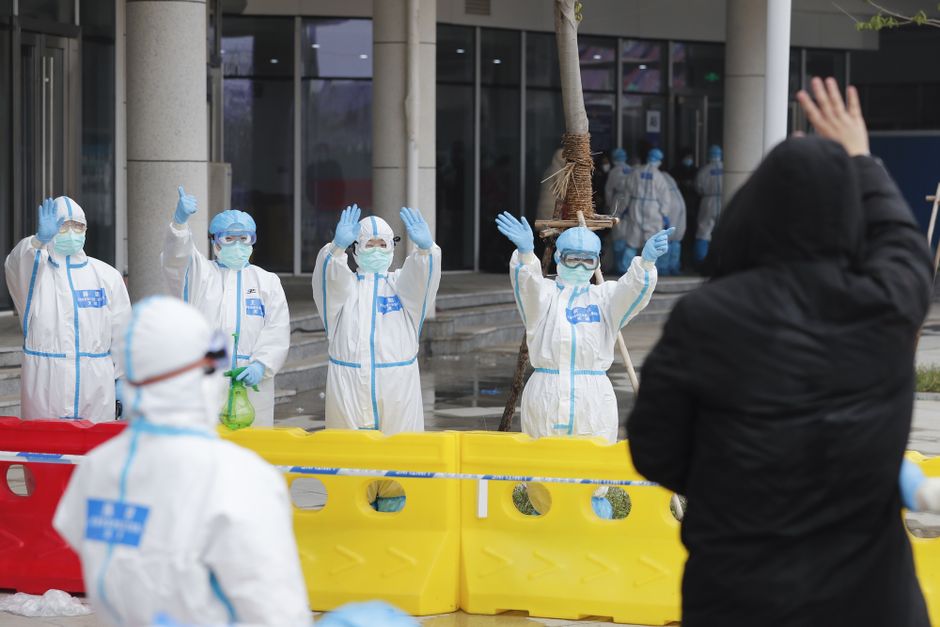
Virunga National Park in eastern Democratic Republic of Congo has intensified its response to a recent Ebola outbreak, implementing health protocols aimed at protecting both local residents and the park’s critically endangered mountain gorillas. Park officials have set up screening stations at key entry points, provided personal protective equipment to rangers, and coordinated with health authorities to conduct contact tracing and vaccination campaigns in surrounding villages.
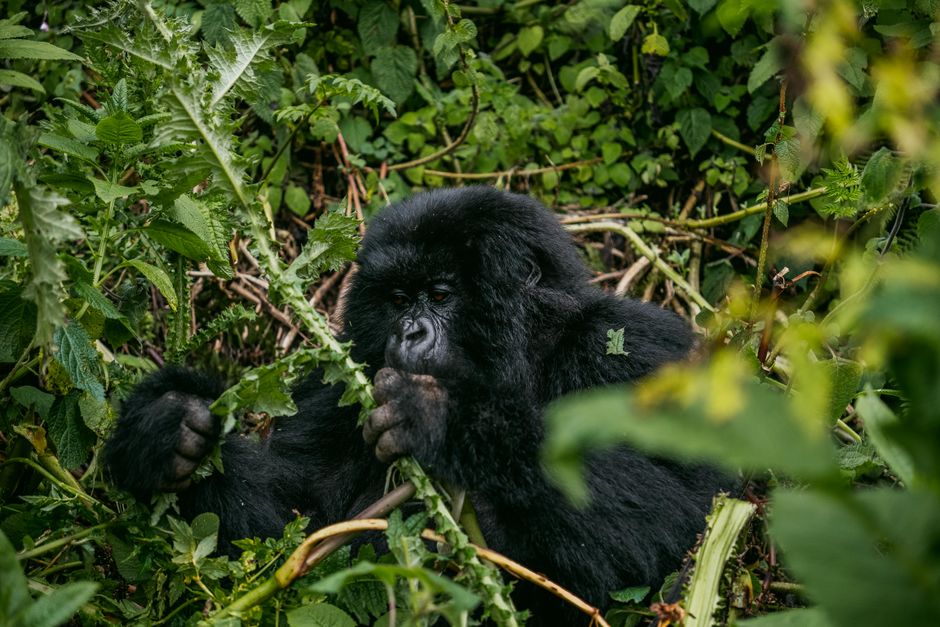
The park’s veterinary team is also monitoring gorilla groups for signs of illness, a precaution prompted by past incidents where the virus crossed from humans to great apes. Researchers have placed temporary barriers around known gorilla habitats and are using non‑invasive sampling methods to test for the virus without disturbing the animals. These steps are part of a broader effort to prevent a spillover that could threaten the already fragile gorilla population.
The eastern region of the DRC has been plagued by armed conflict for decades, involving multiple rebel groups, government forces, and foreign militias. The instability has hampered health interventions, displaced thousands of people, and created conditions conducive to the spread of infectious diseases such as Ebola and COVID‑19.
International partners, including the World Health Organization and conservation NGOs, are supporting Virunga’s response by supplying medical supplies and technical expertise. While the outbreak remains under surveillance, authorities stress that early detection and rapid response are essential to contain the virus and safeguard both human and wildlife health.
The coordinated actions in Virunga illustrate how conservation areas can serve as frontline sites for disease control, linking public health and biodiversity preservation in a region where both are under constant threat.
Source: Al Jazeera