WHO Confirms Record Ebola Outbreak in Eastern DR Congo

The World Health Organization (WHO) announced on Tuesday that a new outbreak of the Bundibugyo strain of Ebola virus in the eastern Democratic Republic of Congo (DRC) has become the largest ever recorded for this variant, with 215 confirmed cases and 124 deaths reported since the first case was identified in early March. The outbreak, centered in the provinces of North Kivu and Ituri, has spread across several health zones, prompting the deployment of additional medical teams, laboratory capacity, and vaccination campaigns. WHO officials said the case fatality rate for the Bundibugyo strain in this outbreak stands at 58 percent, higher than the average for previous outbreaks of the same strain, which historically have been limited to a few dozen cases. The organization urged the Congolese government and international partners to accelerate contact tracing, community engagement, and the provision of personal protective equipment to curb further transmission.
The DRC has been grappling with a complex humanitarian crisis for decades, with its eastern region plagued by armed conflict involving multiple rebel groups, government forces, and foreign militias. The instability has displaced millions, disrupted health services, and created conditions conducive to the spread of infectious diseases. Since 2018, the country has experienced several Ebola outbreaks, most notably the 2018-2020 epidemic of the Ebola Zaire strain that claimed more than 2,200 lives and required a massive international response. The current Bundibugyo outbreak emerges against this backdrop of fragile health infrastructure and ongoing insecurity, which hampers the ability of health workers to reach affected communities and conduct safe burials.
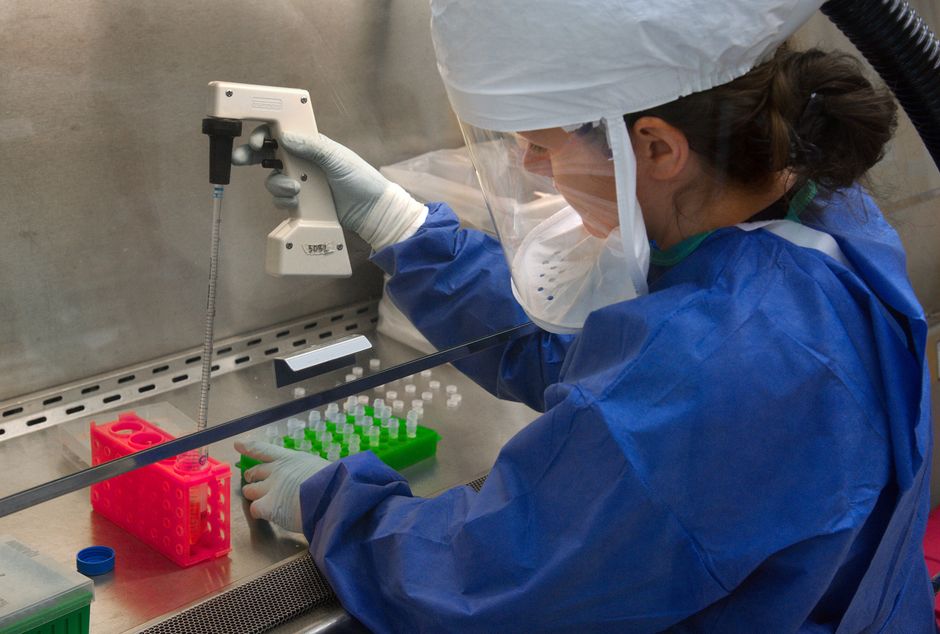
In response to the escalating situation, the DRC Ministry of Health, in coordination with WHO and partners such as Médecins Sans Frontières and the International Federation of Red Cross and Red Crescent Societies, has established three new Ebola treatment centers equipped with isolation wards and intensive care units. Over 1,200 health workers have been trained in infection prevention and control protocols, and more than 150,000 doses of the rVSV‑ZEBOV vaccine have been earmarked for use in ring vaccination around confirmed cases. However, officials noted persistent challenges, including community mistrust, limited road access due to landslides, and occasional attacks on health facilities by armed groups, which have delayed the delivery of supplies and personnel.
Epidemiologists monitoring the outbreak highlighted that the virus appears to be spreading primarily through close contact within households and during traditional burial practices, rather than through widespread community transmission. Laboratory analysis confirmed that the virus belongs to the Bundibugyo lineage first identified in Uganda in 2007, but genetic sequencing suggests the current strain has accumulated mutations that may increase its transmissibility. WHO warned that without swift containment measures, the outbreak could surpass previous records for the strain and strain regional health resources already stretched by COVID‑19 and other endemic diseases such as malaria and cholera.
The international community has pledged additional funding to support the response, with the United Nations Office for the Coordination of Humanitarian Affairs (OCHA) estimating a need of $45 million to cover medical supplies, logistics, and community outreach over the next six months. Donor nations, including the United States, the United Kingdom, and Belgium, have announced contributions earmarked for vaccine procurement and the reinforcement of surveillance networks. Experts stress that sustained investment in health system strengthening and conflict resolution is essential to prevent future outbreaks and to protect vulnerable populations in the DRC’s volatile eastern provinces.
Source: BBC


